
🪷 When Lakshmi Comes Home
What Varalakshmi Vratam can teach us about recognizing, tending and
receiving the abundance already within our lives
❤️ Stories of Devotion
There is something beautiful about preparing a home for Varalakshmi Vratam.
We clean.
We arrange the altar.
We bring out the lamps.
Flowers appear at the doorway and before the Goddess.
The kitchen fills with the fragrance of prasadam being prepared.
We make space for beauty, devotion and celebration.
We say we are welcoming Lakshmi home.
But I have been wondering lately: what happens after the puja is over?
The lamps eventually burn down.
The flowers begin to fade.
The prasadam is shared.
The vessels are washed and returned to their shelves.
If Varalakshmi Vratam teaches us how to welcome Sri ceremonially,
perhaps there is another,
quieter question waiting for us afterward:
What does it mean to remain hospitable to Her?
Not only on a festival day.
On an ordinary Tuesday morning.
In the kitchen.
At the table.
In the way we care for what we already have.
In the way we receive what comes.
Perhaps welcoming Lakshmi is not only about preparing for Her arrival.
Perhaps it is also about learning to recognize when Sri has already come home.
🪷
“Perhaps abundance does not always announce its arrival.
Sometimes, it is simply waiting for us to recognize it.”
When Lakshmi Comes Home
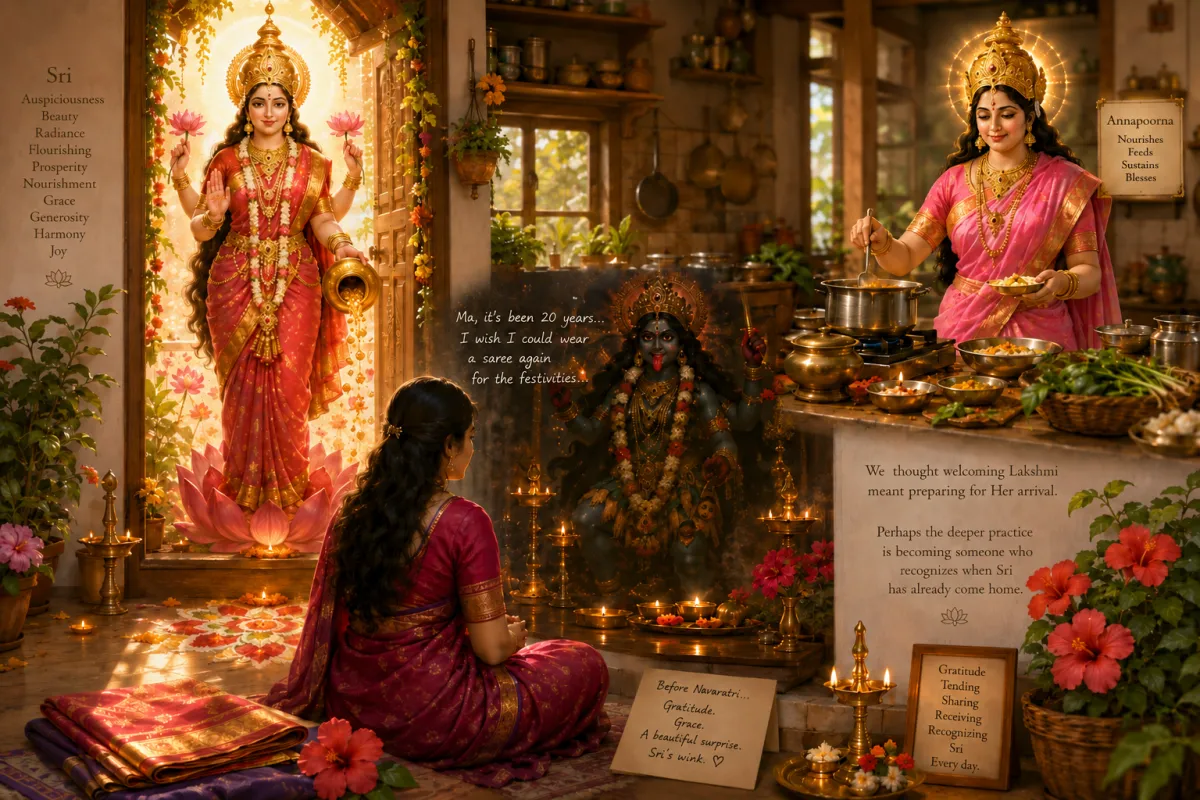
Artwork by Stirred By Spice
Lakshmi at the threshold.
Annapoorna in the kitchen.
Kali listening to the quiet prayer of the heart.
Perhaps Sri does not always arrive in the form we expect.
Sometimes grace is already moving through the house, waiting to be recognized.
🪷 What Do We Mean by Sri?
It is easy, especially in the modern world, to reduce prosperity to money.
More money means abundance. Less money means scarcity.
But Sri gives us a much wider language.
Sri carries within it auspiciousness, beauty, radiance, flourishing and prosperity.
Lakshmi is certainly associated with material abundance, but the fullness represented by Her
cannot be contained by a bank balance alone.
A house can be expensive and still know no peace.
A meal can be simple and still make everyone at the table feel richly fed.
A flower from the garden can bring more beauty into a room than
something purchased at great expense.
Enough money to meet a need is abundance.
Enough food to feed another person is abundance.
Beauty is abundance.
Health, harmony, opportunity, generosity, knowledge, dignity, belonging and joy
can all become ways in which we experience a life that is flourishing.
Perhaps one of the practices of welcoming Sri, then, is
simply learning to widen our definition of wealth.
🪷
Celebrating Varalakshmi Vratam?
Visit my Varalakshmi Vratam guide for the traditions, meaning, prasadam
and ways I celebrate the festival at home.
🪷
🪷 Leave the Kitchen Ready for Morning
Somewhere along the way, I heard an old belief: when Lakshmi enters a home,
She visits the kitchen first.
If the kitchen is neglected or unclean, She does not stay.
I cannot tell you where I first heard it, or whether it belongs to scripture,
regional tradition or the kind of household wisdom
that travels quietly from one generation to another.
But somehow, I remembered it.
And so, however tired I am at night, I try not to leave dirty plates and vessels piled in the sink.
They go into the dishwasher.
I wipe the countertops.
I clean the stovetop.
Is it superstition?
Perhaps.
But I know what happens the next morning.
I walk into a clean, quiet kitchen and it feels as though a new day is waiting there—
fresh, open, ready to share its bounties.
There will be breakfast.
Something will simmer on the stove.
Someone will be fed.
Something may be created.
The kitchen is ready to give again.
For me, that is Sri.
Not because wiping a countertop guarantees prosperity.
But because tending the kitchen reminds me that
what is held there matters.
Food matters.
Nourishment matters.
Care matters.
And this is where, in my own devotional life, Maa Annapoorneshwari
always seems to enter the story.
🪷
🪷 When Annapoorna Stands at the Stove
There is profound wisdom in a tradition that sees food itself as sacred.
Maa Annapoorna reminds us that spiritual life does not require us
to turn away from the material world.
The grain of rice, the pot on the stove, the hands that cook, the body that needs nourishment—
these are not interruptions to sacred life.
They are part of it.
Perhaps this is why the kitchen can become such a powerful place
in which to understand abundance.
Before wealth becomes something abstract—
a number on a screen—
it is something extraordinarily simple:
There is food.
Someone can eat.
Someone can be fed.
Something can be offered.
Something can be shared.
The kitchen teaches us that abundance is not only about possession.
It is about nourishment.
And what we receive there is rarely ours alone.
🪷
🪷 Tend What Has Been Entrusted to You
Festival preparations often involve cleaning, arranging, decorating
and bringing beauty into the home.
It would be easy to turn these practices into rules:
Do this and Lakshmi will come.
Fail to do this and She will leave.
I find another interpretation more meaningful.
When I care for something, I am saying:
I recognize its value.
A swept entrance.
A tended plant.
A lamp lit at dusk.
Fresh flowers from the garden placed before Devi.
A kitchen put to bed at night.
Food stored carefully instead of wasted.
Possessions repaired rather than casually discarded.
None of these things need to be elaborate.
They are small acts of stewardship.
This summer, I brought home two small hibiscus plants.
I did not expect very much from them, but they surprised me by flowering abundantly.
Again and again, there seem to be blossoms ready for Devi on Tuesdays and Fridays—
and often on Saturdays too.
I could buy an elaborate flower garland.
But there is a particular joy in walking outside and discovering that something
I have tended has produced an offering of its own.
A flower grew.
I received it.
And then I could offer it back.
Perhaps that little movement—receive, recognize, tend, offer—is itself a way of understanding Sri.
Sometimes abundance is quietly blooming right outside the door.
🪷
🪷 A Leaf, a Flower, a Fruit, or Water
One of my favorite reminders from the Bhagavad Gita comes in 9.26,
where Krishna says that a leaf, a flower, a fruit or even water,
when offered with devotion, is accepted.
I love the simplicity of that teaching.
The Divine does not ask us to prove abundance through extravagance.
A flower.
A fruit.
Water.
What matters is the offering of the heart.
And perhaps this gently corrects another misunderstanding we can carry
into our relationship with prosperity.
Devotion is not a transaction.
We do not place something before the Divine as payment and
wait for the universe to settle an invoice.
We offer because we have received.
The offering itself becomes recognition.
Something came into my hands, and before I consume it,
I remember where gratitude belongs.
🪷
🪷 The Abundance We Sometimes Fail to Name
Last year, as Navaratri approached, I was sitting before Maa Kali
at a temple I regularly visit.
There was something small and surprisingly tender weighing on my heart.
It had been twenty years since I had bought a sari for myself or had been gifted one.
Most of the time, I carried that fact without thinking much about it.
But sitting before Maa during the festive season, I felt its weight.
I told Her about that small, unexpected ache.
That was all.
Before Navaratri arrived, circumstances somehow came together
so that I was able to buy a couple of beautiful saris
at prices I could comfortably afford.
I wore them to the festivities.
Bright colors.
And an even brighter heart.
Someone else might call that coincidence.
I experienced it as grace.
I had placed a small sadness before Maa—one I did not need to explain or justify.
And somehow, after twenty years, joy returned wearing a sari.
For me, that too was Sri.
Not because abundance meant suddenly possessing more things.
The real gift was being able to participate fully in celebration again—
to wear color,
to feel beautiful,
to experience delight without needing to justify it.
Sometimes abundance is not more.
Sometimes it is the return of something we had quietly stopped believing
life might give us permission to want.
Beauty.
Celebration.
Adornment.
Delight.
Joy for no practical reason at all.
These count too.
🪷
🪷 Gratitude Teaches the Eye to See
Perhaps this is why gratitude matters so much when we speak about abundance.
Not because gratitude is a technique for attracting money.
Gratitude does something quieter.
It teaches the eye to recognize what is already here.
The meal becomes more than something consumed.
The home becomes more than walls.
The flower becomes more than decoration.
The person sharing our table stops becoming part of the background.
The unexpected opportunity becomes visible.
The small pleasure is allowed to matter.
And yet gratitude should never become another burden
we place upon someone who is struggling.
There are seasons of genuine scarcity, grief, illness, loss and financial hardship.
Experiencing them does not mean someone failed to be grateful enough,
faithful enough or spiritually aligned enough.
Gratitude does not require us to deny what hurts.
It simply helps us remain able to recognize the goodness that may exist alongside what hurts.
Perhaps the opposite of abundance is not always scarcity.
Sometimes it is failing to recognize what has arrived.
🪷
🪷 Let What Arrives Move Through You
There is another thing our kitchens teach particularly well.
Food kept forever is not abundance.
It spoils.
Food becomes nourishment when it moves.
From field to market.
From market to kitchen.
From hand to pot.
From pot to plate.
From one person to another.
Prasadam carries this movement beautifully.
Something is prepared, offered, blessed, received—and shared.
Perhaps abundance behaves similarly.
What comes into our lives can nourish more than ourselves.
A meal can be shared.
Knowledge can be taught.
Money can help someone.
A garden can feed a neighbor.
A recipe can travel into another kitchen.
A kind word can restore something in another person that
we may never even know was hurting.
Receiving and giving are not opposites.
They are part of the same movement.
🪷
🪷 When the Festival Is Over
And so perhaps Varalakshmi Vratam leaves us with something to practice
long after the flowers have faded.
Welcome Sri beautifully on the festival day.
Draw the kolam.
Light the lamps.
Prepare the prasadam.
Adorn the Goddess.
Offer the flowers.
Celebrate Her arrival.
And then, when the puja is finished, keep looking.
Look for Her in the kitchen that will feed another day.
In the food placed before you.
In the hands capable of preparing it.
In the home you tend.
In the hibiscus that unexpectedly bloomed in time to become an offering.
In beauty that serves no purpose except making the heart glad.
In what you can share.
In what you are finally willing to receive.
In the small prayer nobody else hears.
In the unexpected opening.
In the ordinary morning that begins again.
In my own devotional life, I have learned to recognize the Mother's grace in many forms—
Lakshmi, Annapoorna, Kali—
and sometimes simply in those moments when life quietly seems to say:
Here. This is for you. Receive it.
Perhaps welcoming Lakshmi is not about persuading abundance to enter the house.
Perhaps it is about learning to recognize, tend, share and receive the forms of abundance
that allow a life to flourish.
We thought welcoming Lakshmi meant preparing for Her arrival.
Maybe the deeper practice begins afterward:
becoming someone who recognizes when Sri has already come home. 🪷
🪷
🪷 A Quiet Reflection
Perhaps Sri is not always something we must wait for.
Sometimes She is in the meal that nourishes us,
the flower that bloomed in time to be offered,
the home we are able to tend,
the joy we finally allow ourselves to receive.
What abundance is already present in your life,
quietly waiting to be recognized?
🪷
❤️ A Few More Stories to Savor
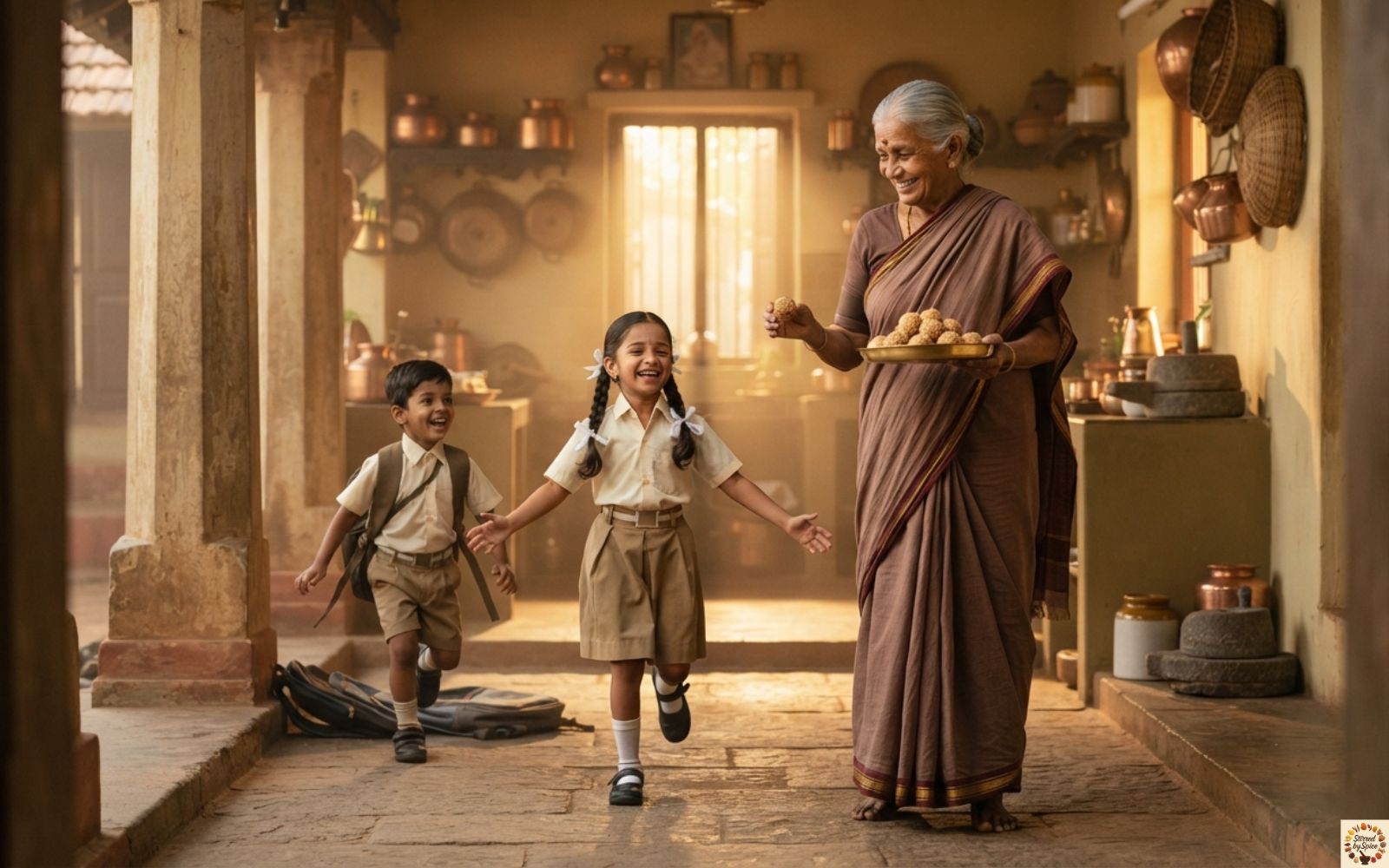
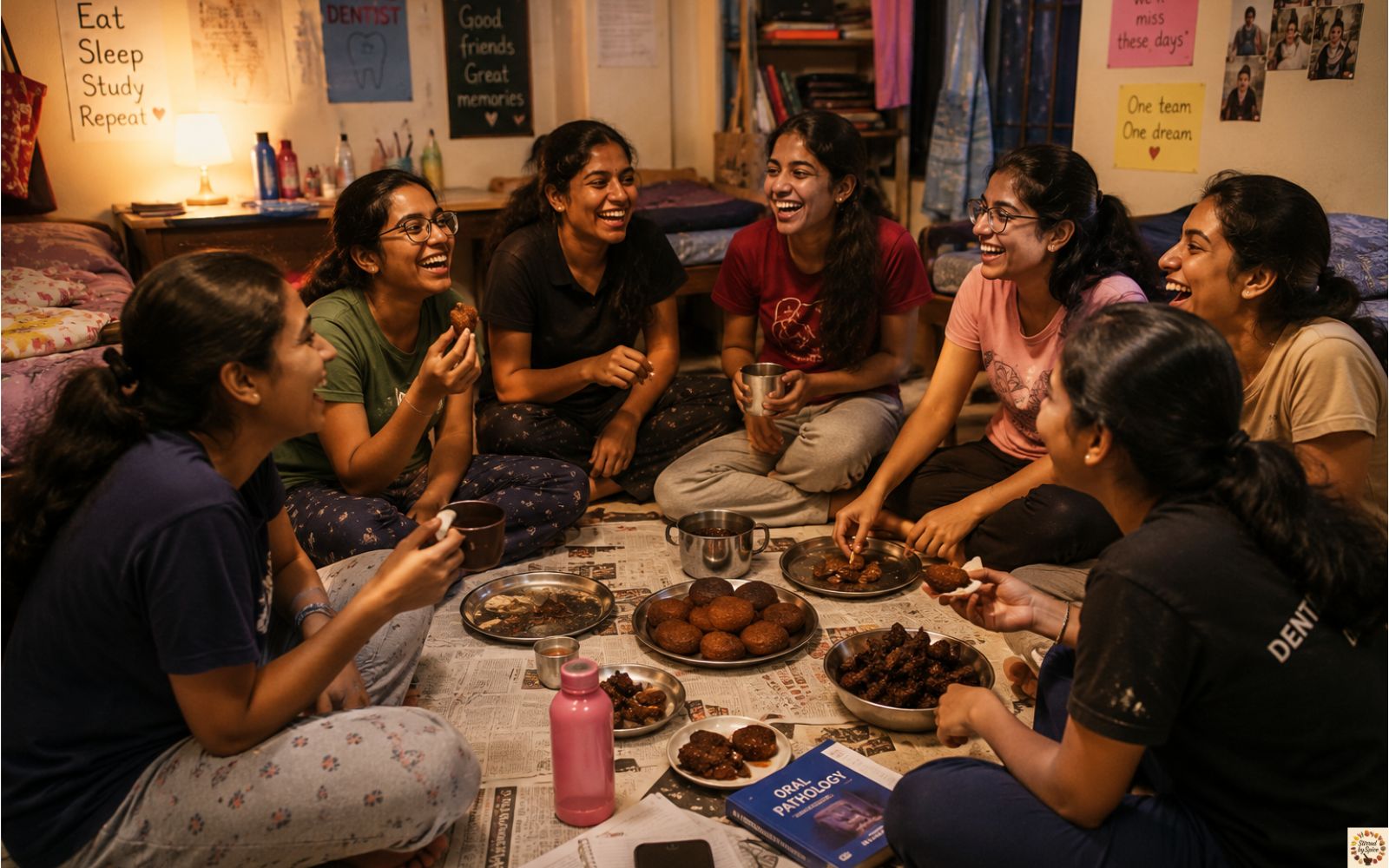
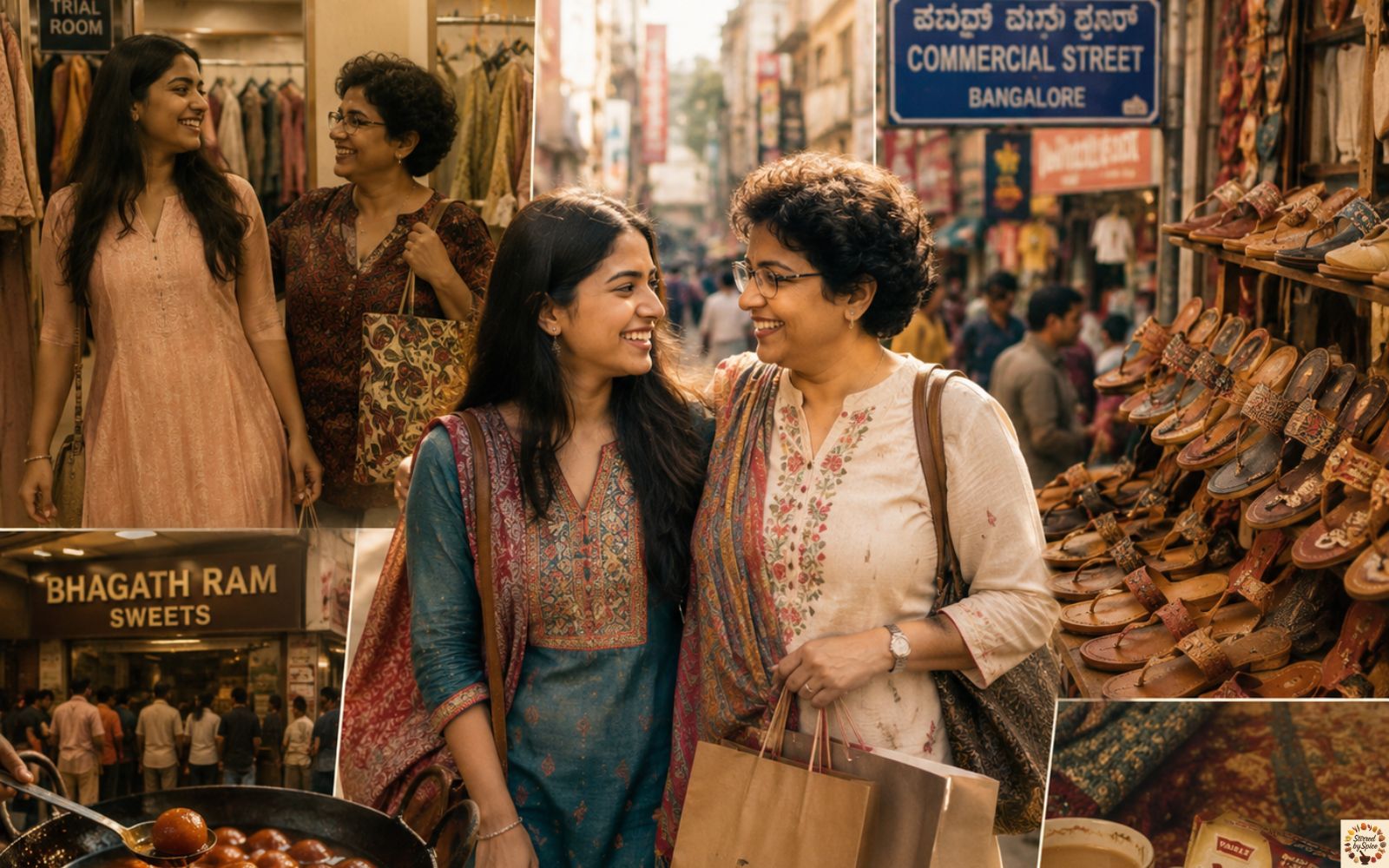
💛 Meet the Heart Behind the Spice

Hi, I'm Maya. Welcome to my kitchen.
There's warmth in every story stirred into these recipes.
A Pediatric Dentist by profession and storyteller by soul,
I bring the rhythms of South Indian cooking
into my American kitchen—
a blend of tradition, curiosity, and heart.
Whether you're here for a comforting breakfast,
a festive feast, or a family favorite, I hope these recipes
help you slow down, cook with confidence,
and create memories around your own table.
Thank you for letting me be a small part of your kitchen.
🌿 Cook with joy.
Join the Table 🌿
If this felt a little like sitting around a familiar table, you’ll feel at home here.
I share simple South Indian meals, seasonal cooking, pantry wisdom and quiet kitchen rhythms —
straight from my stove to your inbox.
I’d love to have you at the table. 🌿
No spam. Just simple recipes and quiet kitchen stories.
💬 I’d Love to Hear From You!
If this memory reminded you of someone you love, I'd be honored to hear their story too.
Your words, memories, and reflections mean the world to me.
Share your thoughts using the form below — I read every message.
Affiliate Disclosure:
Some links on this page are affiliate links. As an Amazon Associate,
I earn from qualifying purchases —at no extra cost to you.
I only recommend tools I personally use and trust in my own kitchen.
© 2026 Stirred By Spice | Designed with warmth 🌶️ & stories.s 🪔 All rights reserved
Some images on this site are AI-generated to reflect the spirit of home cooking.