
🪷 🪔 Varalakshmi Vratam:
A Festival of Abundance, Flourishing & Grace
Looking beyond the rituals to the quiet invitation of Lakshmi
❤️ Stories of Devotion
Varalakshmi Vratam
There are festivals we celebrate through elaborate rituals,
and there are festivals that quietly invite us to contemplate
the principle held within the ritual.
Varalakshmi Vratam offers us both.
Observed during the sacred month of Shravana, particularly across South India,
Varalakshmi Vratam is dedicated to Goddess Lakshmi—
the embodiment of śrī: abundance, auspiciousness, prosperity, beauty and well-being.
Traditionally observed by married women praying for the health,
prosperity and well-being of their families,
the vrata is filled with the beautiful language of Hindu worship:
homes prepared for the Goddess, lamps lit, flowers offered,
sacred foods made, prayers recited, and
a kalasha transformed into the sacred presence of Lakshmi herself.
But beneath the flowers, lamps, offerings and prayers lies a larger question:
What does it mean for a life to truly flourish?
Perhaps that is where Varalakshmi Vratam can become not only a ritual
we witness or perform, but a festival we contemplate.
When Is Varalakshmi Vratam Celebrated?
Varalakshmi Vratam falls during Shravana, the monsoon month
that usually arrives in July or August,
and is traditionally observed on a Friday before the full moon.
Even the season surrounding the festival seems to speak the language of Lakshmi.
The rains have arrived.
Parched earth receives water.
Seeds hidden beneath the soil begin to emerge.
Fields turn green.
Rivers fill.
Trees put forth new growth.
The harvest has not yet arrived, but everywhere there is the promise of abundance.
Perhaps that makes Shravana a particularly beautiful time to contemplate Lakshmi.
Because abundance does not begin at harvest.
It begins quietly—with nourishment, possibility, patience and growth.
Who Is Varalakshmi?
The name Varalakshmi brings together vara, a boon or blessing,
and Lakshmi, the Goddess associated with prosperity, auspiciousness and śrī.
Lakshmi is often understood through material abundance, and understandably so.
Food, shelter, livelihood, health and financial security are profound forms of blessing.
But śrī gives us a much larger landscape to contemplate.
Lakshmi can also be encountered wherever life is allowed to flourish.
In a home where people are nourished.
In knowledge generously shared.
In work undertaken with integrity.
In beauty created simply because something within us wanted to create.
In friendship.
In courage.
In generosity.
In a garden coming alive.
In a meal placed lovingly before another person.
In an idea that was once only a whisper and has finally been given room to grow.
Perhaps prosperity is not merely accumulation.
Perhaps it is life becoming more fully alive.
The Varalakshmi Vratam Tradition
On the day of the vrata, homes are traditionally cleaned and decorated
to welcome Lakshmi.
Rangoli or kolam may mark the entrance, lamps are lit,
and flowers and auspicious objects
become part of the puja space.
At the heart of the worship is often a kalasha—a sacred vessel filled with water
and traditionally decorated with leaves, coconut, cloth, flowers and ornaments.
Lakshmi is invoked into the kalasha and worshipped with prayers, offerings and naivedyam.
Practices vary across families and regions, as they so often do within Indian traditions.
Recipes, decorations, prayers and inherited customs may look
slightly different from one home to another.
And perhaps that variation reminds us of something important.
Ritual gives devotion a form.
But the principle being contemplated is larger than any single form.
Food, too, becomes part of the offering.
Depending on family and regional traditions, the naivedyam prepared for Varalakshmi
may include dishes such as payasam, sweet pongal, sundal, vadai, kozhukattai,
or other homemade sweets and savories—foods prepared with care,
offered first in gratitude, and later shared as prasadam.
The particular dishes may differ from one home to another;
what remains constant is the spirit in which they are made and shared.
Looking Beneath the Ritual
Varalakshmi Vratam has traditionally been closely associated
with married women and the flourishing of the household.
That history deserves to be understood and honoured.
But we can honour the traditional form while also contemplating
the principle represented by Lakshmi herself.
What happens when we understand fertility not only as the capacity to bear children,
but also as the capacity to bring forth life in its many forms?
A field can be fertile.
So can a mind.
An imagination.
A kitchen.
A garden.
A classroom.
A friendship.
A community.
A life.
We bring things into the world constantly—
ideas, meals, art, knowledge, kindness, solutions, businesses,
traditions, opportunities and ways of caring for one another.
Some creations can be held in our hands.
Others cannot.
Yet both can make a life abundant.
Perhaps one of Lakshmi's invitations is simply to notice:
What in my life is ready to flourish?
The Grace of Receiving
There is another side of abundance that is easy to overlook.
Receiving it.
We often approach Lakshmi with requests.
We pray for prosperity, health, opportunity, security and well-being.
We ask for the things we hope will allow ourselves and those we love to flourish.
There is nothing small about those prayers.
But perhaps Varalakshmi—Lakshmi who grants boons—also gives us another question to sit beside.
Would I recognize a boon if it arrived differently from the way I expected it to?
Because abundance does not always arrive as wealth.
Sometimes it arrives as enough.
Sometimes as a person who shows up when we need them.
Sometimes as knowledge.
Sometimes as courage we didn't know we possessed.
Sometimes as an unexpected opportunity.
Sometimes as food on the table.
Sometimes as the ability to begin again.
Sometimes as peace.
And sometimes the boon isn't something newly given at all.
It is finally seeing what has already been given.
Lakshmi, Made by Hand
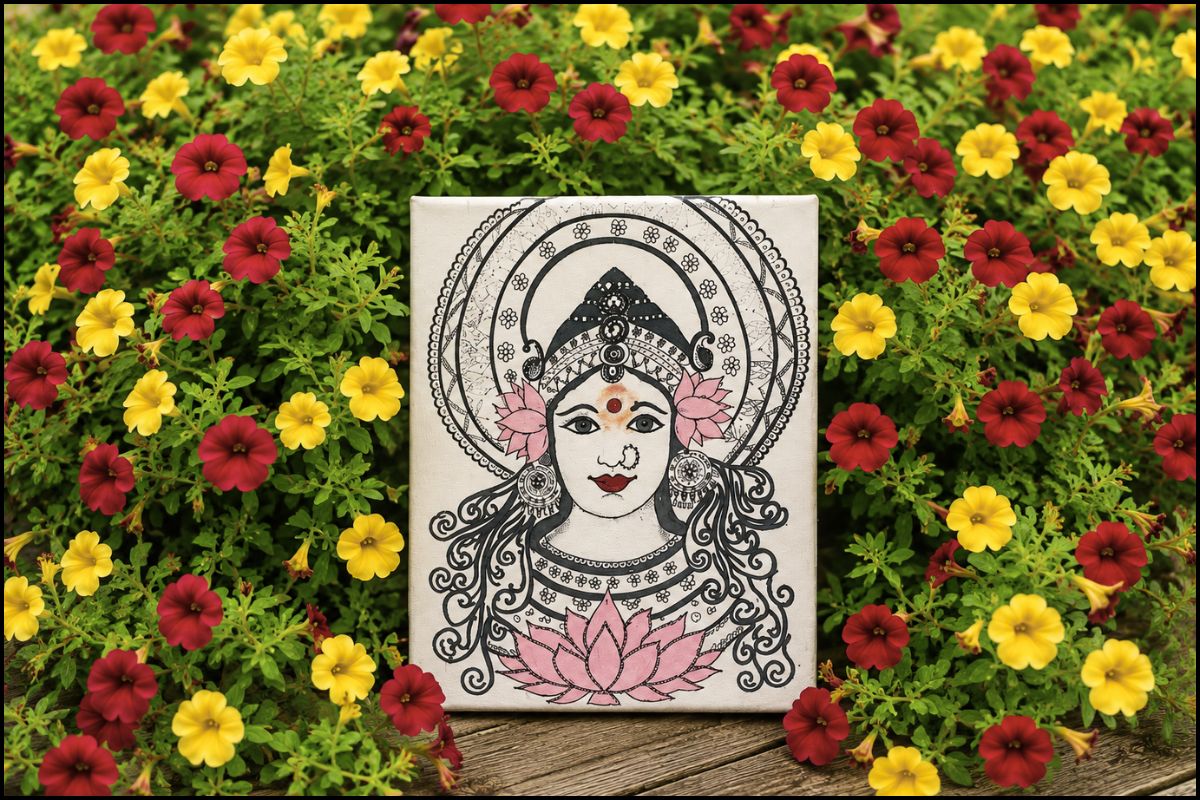
Photo by Stirred By Spice
Lakshmi, painted by hand for my home puja altar —
a small act of devotion and creativity.
There is something especially fitting to me about creating
an image of the Goddess associated with abundance.
Creativity itself asks us to bring something into being.
It begins with an impulse, an idea, perhaps only a faint picture in the mind.
We give it attention.
We work with what we have.
Slowly, something that did not exist before takes form beneath our hands.
Perhaps that too is a small expression of śrī.
Not perfection.
Creation.
Not performance.
Offering.
🪷 A Quiet Reflection for Varalakshmi Vratam
Perhaps that is one of the quiet invitations of Varalakshmi Vratam.
As the rains nourish the earth and the earth prepares to bring forth abundance,
we too are invited to notice what is growing in our own lives.
Not all abundance can be counted.
Not all fertility gives birth to something we can hold.
A thought can grow.
Courage can grow.
Knowledge can grow.
Creativity, friendship, generosity and hope can grow.
And perhaps a festival dedicated to the Goddess of abundance asks us
not only what we wish to receive,
but whether we have learned to recognize abundance when it arrives.
What in my life is ready to flourish?
And do I know how to receive what is already being given?
🪷
Carry the reflection beyond the festival
Varalakshmi Vratam teaches us how to welcome Sri ceremonially.
In When Lakshmi Comes Home, I reflect on what it might mean to remain
hospitable to Her afterward—
in our kitchens, our homes,
and the ordinary abundance of everyday life.
🪷
🌼 A Story of Sri
If you would rather experience this reflection as a film,
I have gathered the story, imagery and spirit of Varalakshmi Vratam here.
❤️ A Few More Stories to Savor
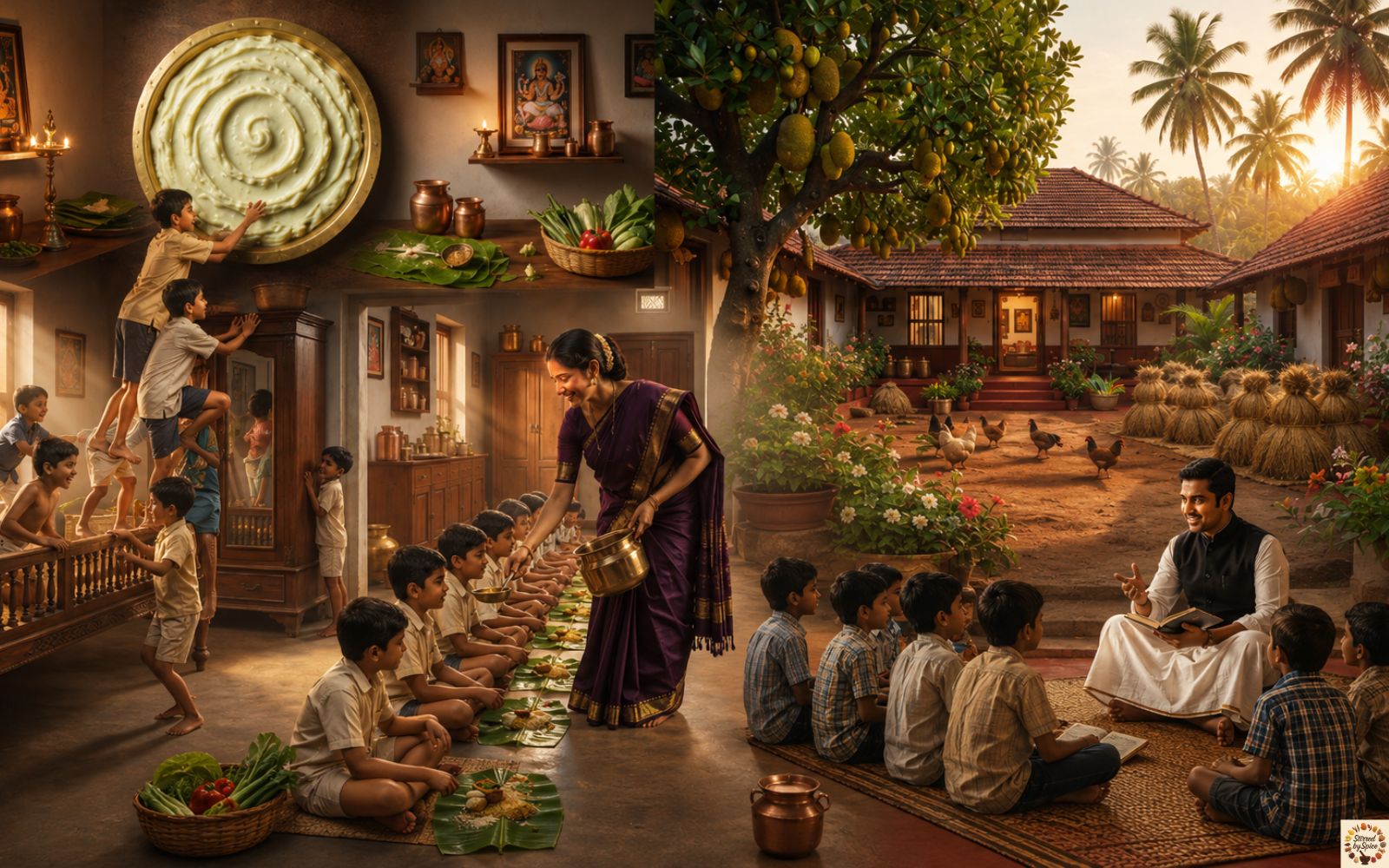
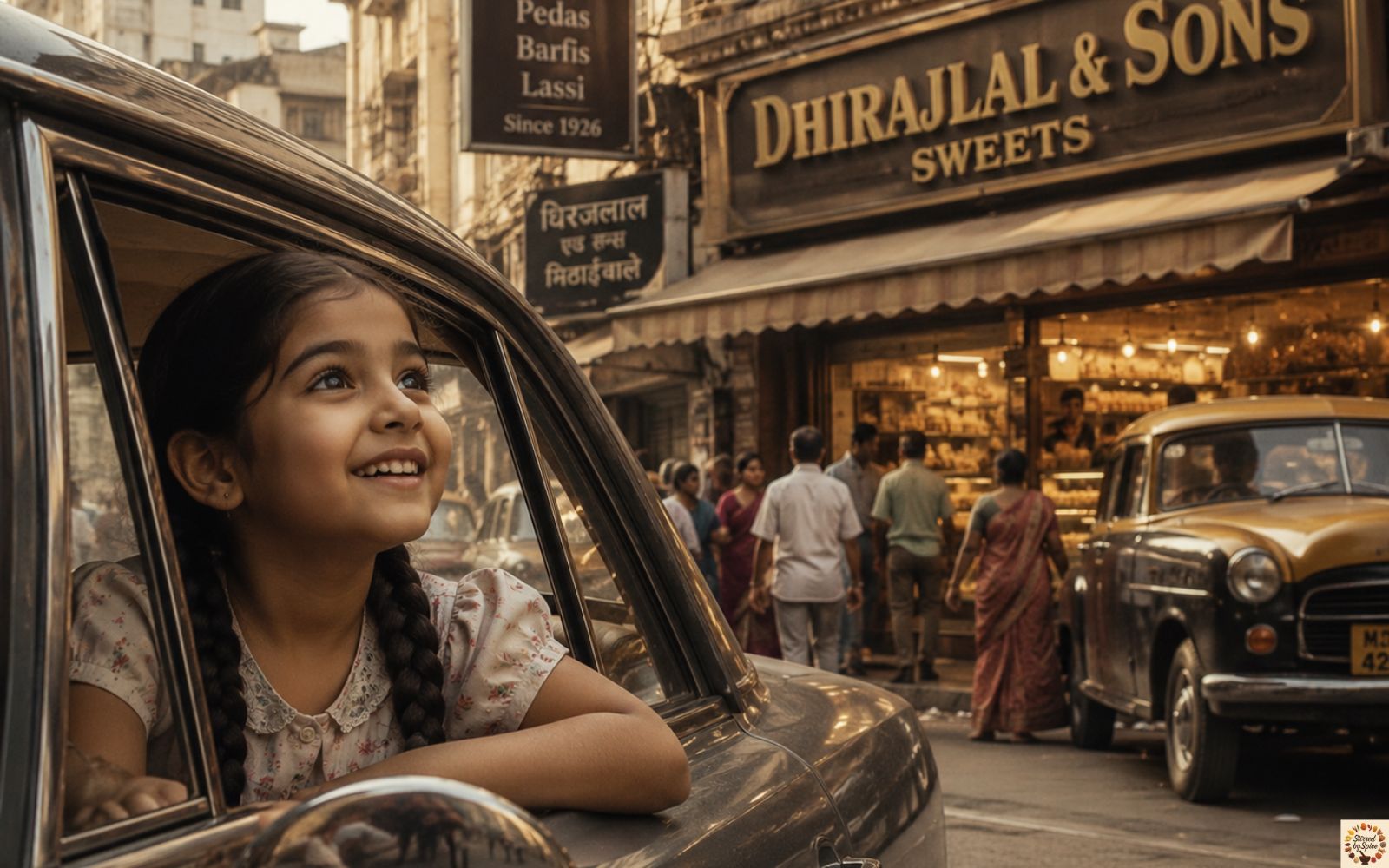
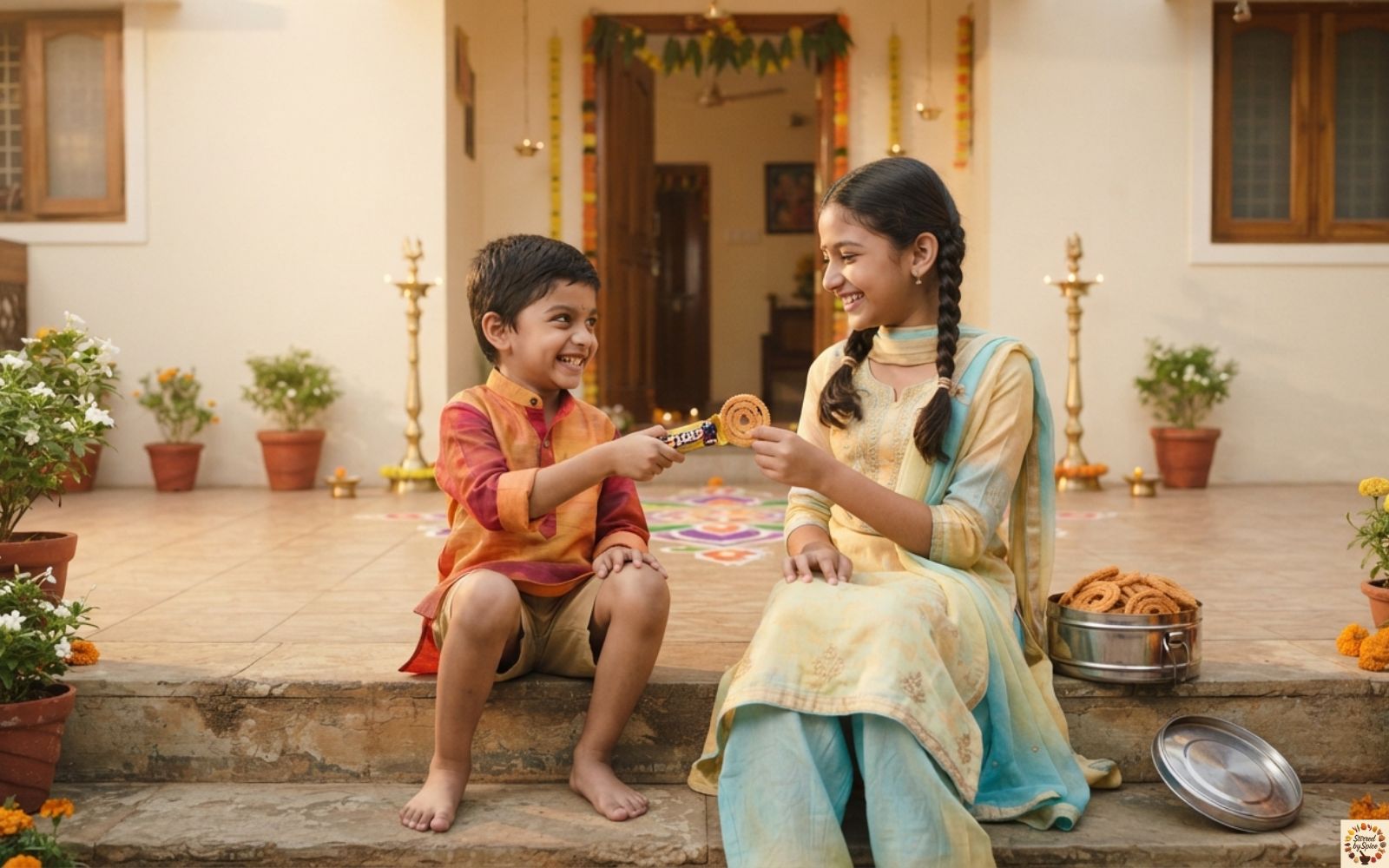
🙏 Temple & Prasadam Collection
Every sweet in this collection carries more than tradition.
It carries the quiet joy of offering simple food with gratitude,
whether to the Divine, to our families,
or to the memories
that continue to nourish us
long after the meal is over.
🪔 Part of Temple Prasadam Collection
A growing library of sacred offerings prepared for Hindu temples, festivals,
and home worship throughout the year.
🌼 Krishna Janmashtami Collection
🐘 Ganesh Chaturthi Collection
🪔 Navaratri Collection
🔥 Deepavali Collection
🌾 Pongal Collection
🌺 Varalakshmi Vratham Collection
🌿 Ugadi Collection
💛 Meet the Heart Behind the Spice
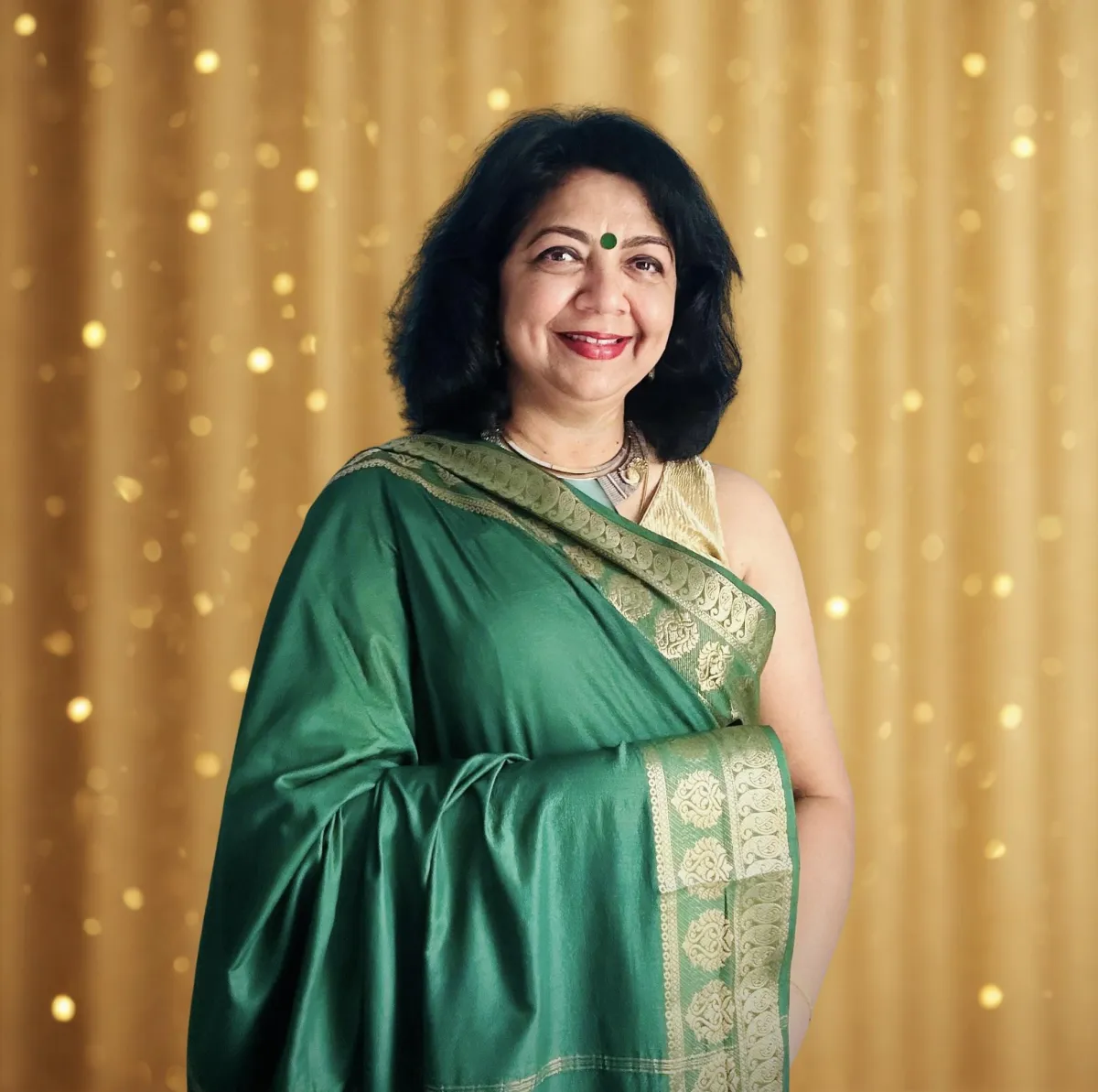
Hi, I'm Maya. Welcome to my kitchen.
There's warmth in every story stirred into these recipes.
A Pediatric Dentist by profession and storyteller by soul,
I bring the rhythms of South Indian cooking
into my American kitchen—
a blend of tradition, curiosity, and heart.
Whether you're here for a comforting breakfast,
a festive feast, or a family favorite, I hope these recipes
help you slow down, cook with confidence,
and create memories around your own table.
Thank you for letting me be a small part of your kitchen.
🌿 Cook with joy.
Join the Table 🌿
If this felt a little like sitting around a familiar table, you’ll feel at home here.
I share simple South Indian meals, seasonal cooking, pantry wisdom and quiet kitchen rhythms —
straight from my stove to your inbox.
I’d love to have you at the table. 🌿
No spam. Just simple recipes and quiet kitchen stories.
💬 I’d Love to Hear From You!
If this reflection brought a memory, tradition, or thought to mind,
I’d be honored to hear your story too.
Your words, memories, and reflections mean the world to me.
Share your thoughts using the form below — I read every message.
Affiliate Disclosure:
Some links on this page are affiliate links. As an Amazon Associate,
I earn from qualifying purchases —at no extra cost to you.
I only recommend tools I personally use and trust in my own kitchen.
© 2026 Stirred By Spice | Designed with warmth 🌶️ & stories.s 🪔 All rights reserved
Some images on this site are AI-generated to reflect the spirit of home cooking.